 EN
EN  العربية
  Български
  Čeština
  Dansk
Dansk  Deutsch
  Ελληνικά
  Español
  Suomi
Suomi  Français
  עברית
עברית  हिन्दी
  Bahasa Indonesia
  Italiano
  日本語
日本語  한국어
한국어  Bahasa Melayu
  Nederlands
  Norsk
Norsk  Polski
  Português
  Română
  Русский
  Svenska
  Kiswahili
  ไทย
ไทย  Türkçe
  Українська
  Tiếng Việt
  中文
中文 The Event Planner Who Finally Got Paid for Everything: How I Stopped Absorbing Losses
By Natalie Brooks, Certified Event Planner & Corporate Events Specialist — Chicago, IL
I started my event planning business out of what people in the industry call “a gut feeling and a spreadsheet.” Five years of working at a corporate event production company, watching how events were built, understanding what clients actually needed. I left to go independent at thirty-one, and within eighteen months I had more work than I could handle alone.
The work was good. The billing was a mess.
Not the kind of mess that shows up immediately — the kind that compounds quietly over years until you notice the gap between how much you are working and how much you are earning. When I sat down at the end of my third year and tried to calculate my effective hourly rate across all the events I had planned, the number was significantly lower than I expected. A lot of hours had disappeared into the gap between what I had quoted, what I had absorbed, and what I had actually invoiced.
That calculation was the beginning of my billing education.
The $3,000 I Worked For and Never Invoiced
In my second year, I planned a corporate gala for a technology company — 200 guests, a downtown venue, catered dinner, live entertainment, AV production. The event was a success. My client thanked me personally. The VP of Marketing mentioned to me that the event was the best corporate event they had done in five years.
My planning fee for the event was $12,000, structured across four phases. I invoiced and collected every phase. What I did not invoice was the $3,000 in extra coordination that happened because the original catering vendor the client had requested went out of business four months before the event. I spent three weeks finding a replacement, re-negotiating all the terms, managing the transition, and updating all the vendor contracts. It was significant work. I just did it, assumed it was part of the job, and never asked for additional compensation.
My contract did not explicitly address what happened if the client’s vendor preference fell through. So I absorbed it.
I have since counted at least four similar events where scope expanded significantly and I never invoiced for it. The total across those events was probably $8,000-$10,000 of work delivered and not billed.
What Professional Invoicing Actually Means for an Event Planner
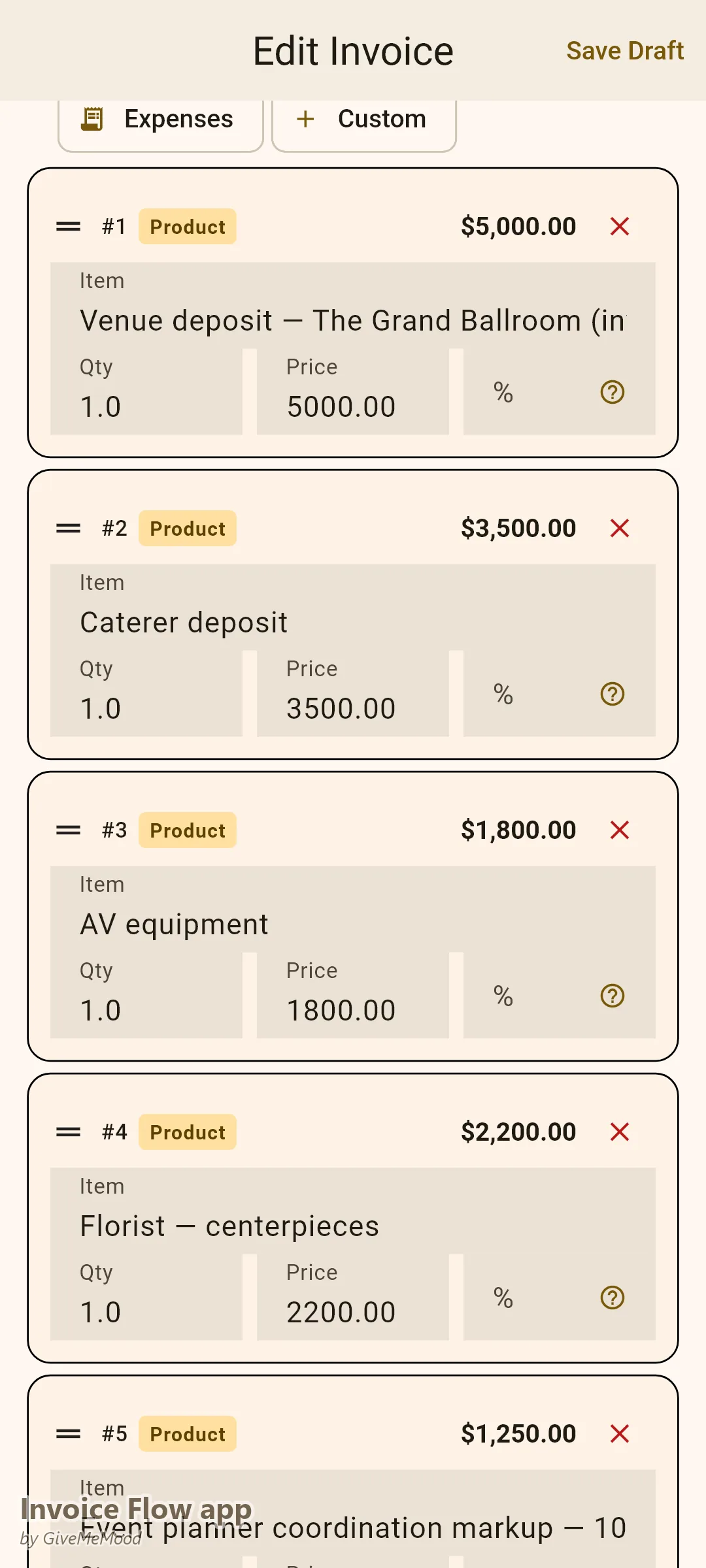
After that calculation, I spent a month rebuilding my billing approach entirely. The core insight was this: an event planner does not just deliver one service on one day. An event planner delivers dozens of distinct services over a span of months, and each one has a cost that should be reflected somewhere in the billing.
Here is what I actually do for a corporate gala:
Initial consultation and needs assessment. Event concept development. Budget framework creation. Venue research and site visits. Venue contract negotiation. Vendor identification across six to ten categories. Vendor proposals and bid management. Contract review and negotiation for each vendor. Budget management and tracking throughout planning. Client communication and updates. Timeline creation and management. On-site logistics coordination. Day-of management. Post-event reconciliation and reporting.
Each one of those is a distinct service. Most of them are hours I was not tracking and not invoicing.
I restructured my pricing to be phase-based with explicit scope, set up InvoiceFlow to manage the invoicing, and changed how I approached every new engagement.
The Deposit That Changed Everything
Before InvoiceFlow, my deposit process was informal. I would send an email with a payment request — sometimes through a payment processor, sometimes asking for a check. There was nothing that looked like a professional invoice with terms, event details, deposit amount, and balance schedule.
The first time I sent a proper InvoiceFlow deposit invoice to a new corporate client — a financial services company booking their annual client dinner, $18,000 planning fee — I got a response within two hours. Their accounts payable team processed it that same week. Previously, informal payment requests to corporate clients would sit for weeks because they could not route them through AP without an invoice number and proper documentation.
The deposit invoice looked like:
“Corporate Event Planning Services — Annual Client Appreciation Dinner, March 22, 2026 — 200 guests. Phase 1 Engagement Deposit (25% of planning fee): $4,500. Payment due upon execution of this agreement. Planning begins upon receipt. Event Reference: AP-EVENTS-2026-Q1.”
That one invoice unlocked the entire billing relationship. Everything that followed was routed cleanly through their system.
Phase Billing: Getting Paid Throughout the Event
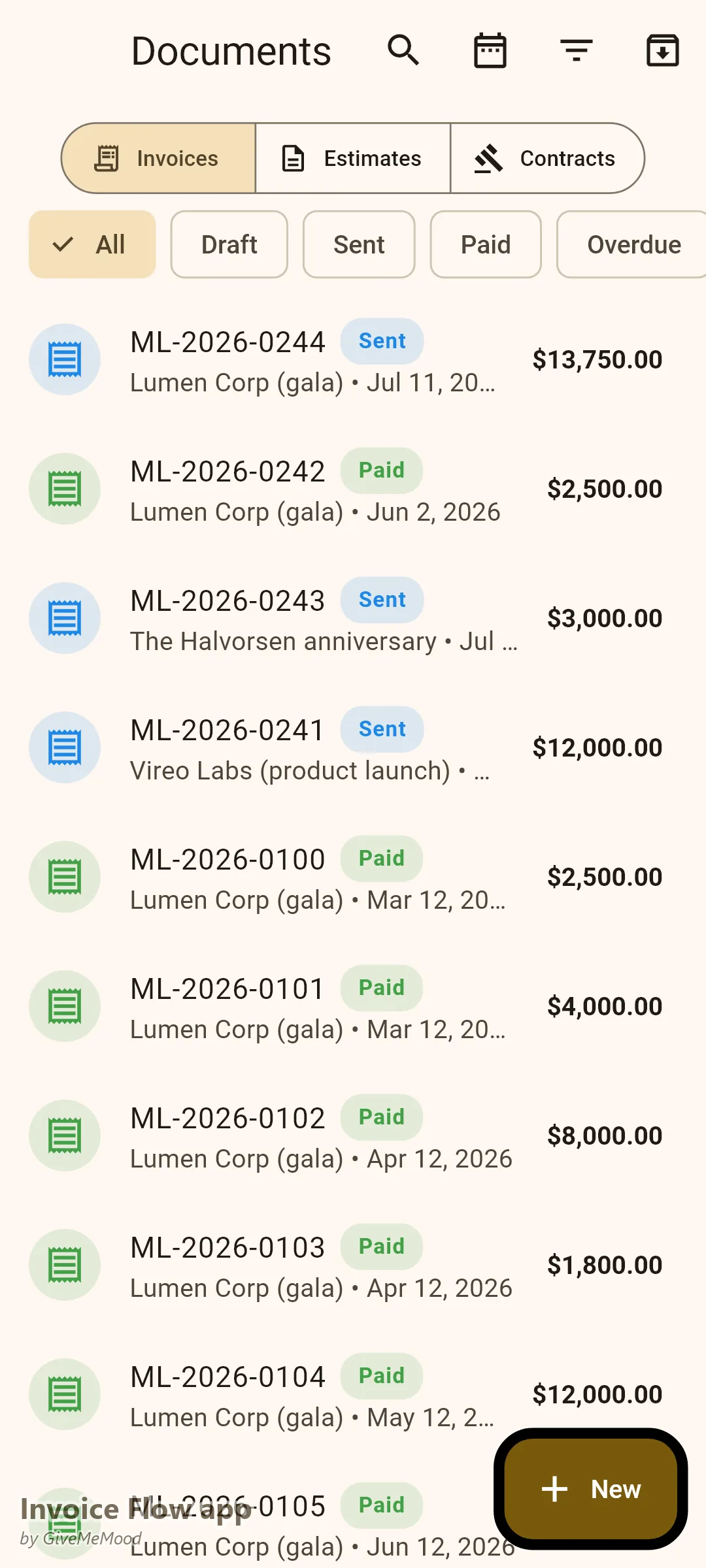
The phase-based structure I built covers four milestones:
Phase 1 — Engagement (25%): Deposit at contract signing. This covers the initial planning work, concept development, and vendor research phase.
Phase 2 — Vendor Confirmation (25%): Issued when all major vendors are contracted and deposits are placed. This covers the vendor selection and negotiation phase.
Phase 3 — Production (30%): Issued sixty days before the event. This covers timeline development, logistics coordination, and run-of-show creation.
Phase 4 — Final Balance (20%): Issued thirty days before the event. By this point, all vendor commitments are in place and the financial picture is complete.
This structure solves two problems simultaneously. First, my cash flow is distributed across the planning cycle rather than concentrated at the end. Second, clients have a clear payment schedule from day one. There is no ambiguity about when they owe money.
Every phase invoice goes through InvoiceFlow. Each one has the event details, the phase description, the amount due, the payment terms, and the event reference number. Corporate clients process them without follow-up. Smaller clients have a clear picture of their payment obligations.
Vendor Pass-Through: Transparency That Builds Trust
One of the most valuable changes I made was how I handle vendor pass-through billing.
Before InvoiceFlow, when a client approved vendor costs, I would collect payment somewhat informally — sometimes a lump sum, sometimes separate payments, sometimes waiting until after I had paid vendors myself and then billing the client for reimbursement. This was financially inefficient and created confusion about what exactly the client was paying for.
Now I create a vendor payment batch invoice that itemizes every vendor cost:
“Vendor Payment Batch — Annual Client Dinner — March 22, 2026:
- Venue Rental — The Palmer House Grand Ballroom: $8,500
- Catering — Chicago Finest Cuisine (per signed contract): $22,000
- AV Production — Summit AV Group: $4,800
- Entertainment — Jazz Quartet (4 hours): $2,400
- Floral — Magnolia Event Florals: $3,200
- Event Planning Coordination Markup (12%): $4,908 Total Vendor Payment: $45,808”
The client sees every cost. They understand exactly what they are paying for. The coordination markup is documented and transparent rather than buried.
Two things happened when I switched to this format. First, clients stopped questioning my markup because it was clearly labeled and easy to understand. Second, I stopped absorbing vendor costs out of my own cash flow because the invoicing process made it obvious when a vendor deposit needed to go out and when client payment was required to fund it.
The Expanded Scope Invoice That Used to Be an Awkward Conversation
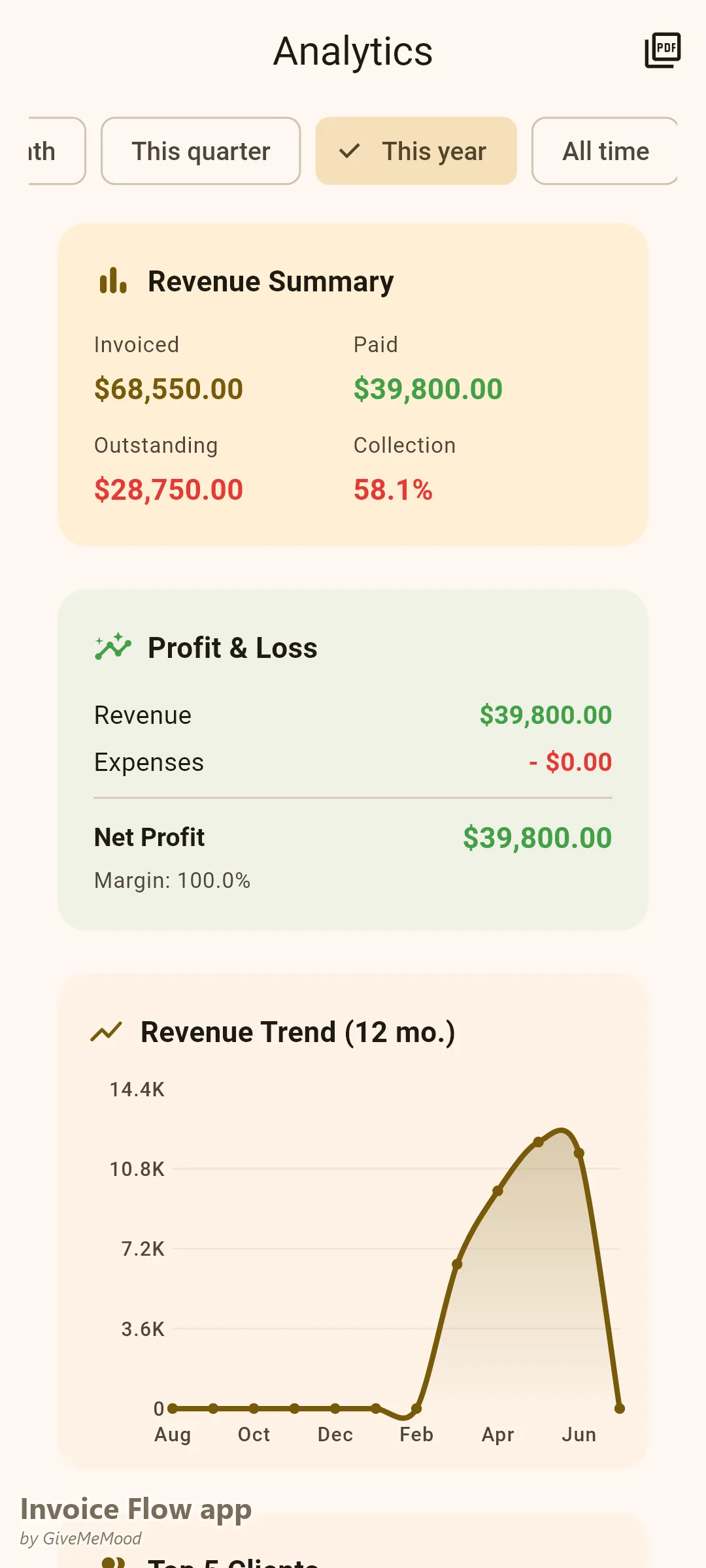
The most valuable single feature for my business has been the ability to issue a scope expansion invoice without it feeling like an accusation.
When scope expands — and it always expands — I now document it immediately and issue a change order invoice: “Scope Expansion — Vendor Replacement Coordination: Original catering vendor closed operations on October 15. Replacement vendor research, proposal review, contract negotiation, and transition management: 18 hours × $175/hour: $3,150.”
The first time I sent one of these, I braced for pushback. The client reviewed it, replied that it was completely reasonable, and approved it within a day. I have since issued scope expansion invoices on seven engagements. Five were approved without comment. Two generated a short conversation that resulted in slight reductions. None were refused entirely.
The old me would have absorbed all of it. The documented me gets paid for it.
Corporate Accounts: The Income That Requires the Right Billing Infrastructure
About 60% of my revenue now comes from a handful of corporate accounts — companies that book me for their annual gala, their quarterly leadership dinner, their client appreciation events, their product launch parties. These clients represent the most reliable income I have.
They also, without exception, require formal invoice documentation. Not a Venmo request. Not a PDF I made in Canva. A proper invoice with invoice number, event reference code, net-30 terms, payment instructions, and line-item service descriptions.
I have three corporate accounts that are on essentially a calendar-based relationship with me: book in January for the May event, book in July for the November event. Each engagement follows the same phase billing structure. Each invoice goes through InvoiceFlow. Each payment arrives through accounts payable within terms.
The total annual revenue from these three accounts is approximately $165,000. None of it would be possible without professional invoice documentation.
What the Business Looks Like Five Years In
My event planning business today looks nothing like the one I had in year two. I have a phase-based billing structure that distributes cash flow across every engagement. I have vendor pass-through invoicing that builds client transparency and trust. I have scope expansion invoices that capture work I used to deliver for free. I have corporate accounts that pay through accounts payable on net-30 terms.
My effective hourly rate — the number I calculated at the end of year three and found embarrassingly low — has more than doubled. Not because I raised my rates. Because I started billing for everything I do.
The gap between the work I deliver and the income I receive has closed. My business is profitable in proportion to the work I put in. That sounds like it should be obvious. For me, it took three years and a humbling spreadsheet to learn.
Download InvoiceFlow. Build your phase billing structure. Send the next deposit invoice before the client leaves the consultation. Stop absorbing losses that should be on an invoice.
Natalie Brooks is a certified event planner and corporate events specialist in Chicago, Illinois, with a client roster that includes financial services companies, technology firms, and professional associations across the Midwest.